
















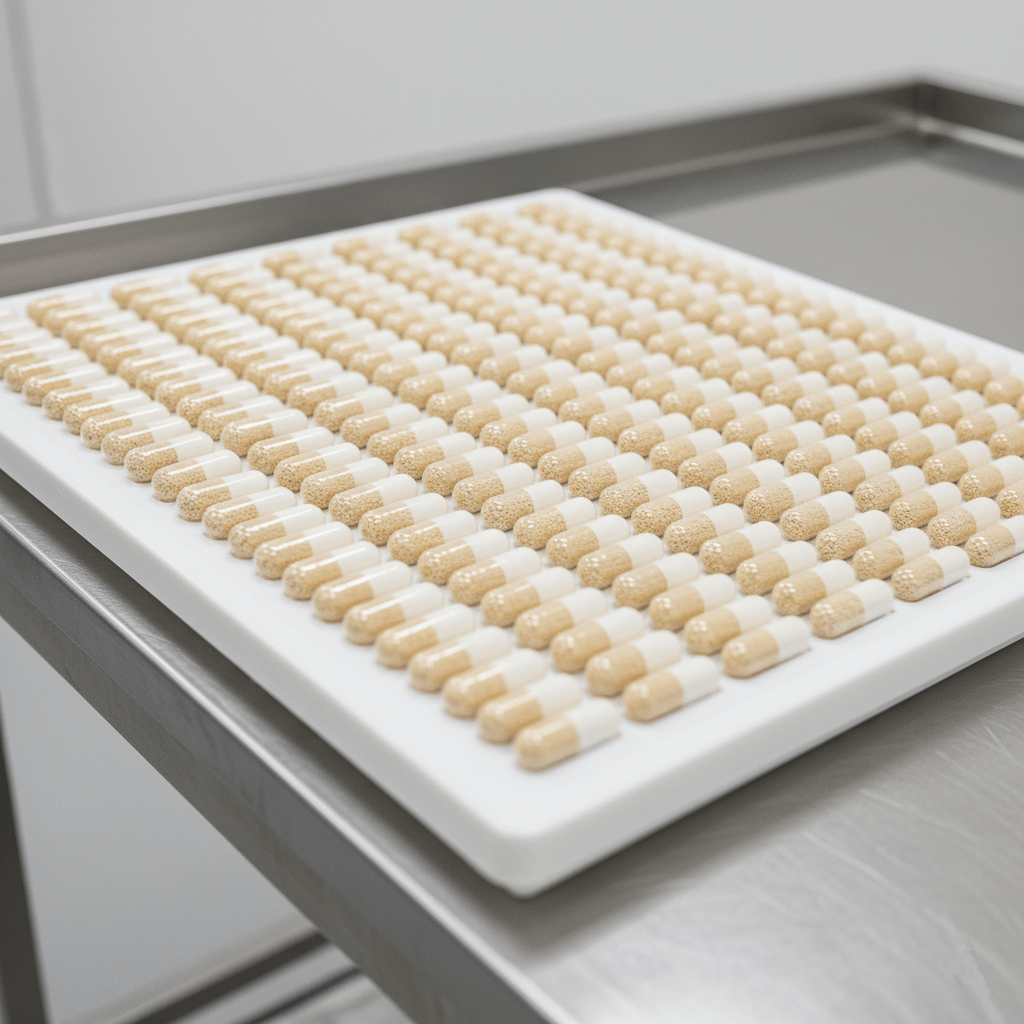
Einleitung - Wiederkehrende Schmerzpunkte in der Kapselproduktion
Jeder, der schon einmal in einer Kapselabfüllanlage gearbeitet hat, kennt die drei Worte, die die täglichen Herausforderungen definieren: Geschwindigkeit, Staub, und Stabilität.
In pharmazeutischen Fabriken kann die Produktion nicht pausieren - vor allem, wenn unter strengen GMP-Bedingungen gearbeitet wird. Doch wenn die Pulvereigenschaften schwanken oder die Anlagen mit über 60.000 Kapseln pro Stunde laufen, kommt es zu Inkonsistenzen. Zu viel Pulververlust, ungleichmäßige Befüllung oder mechanische Vibrationen können selbst einen qualifizierten Bediener unter Druck setzen.
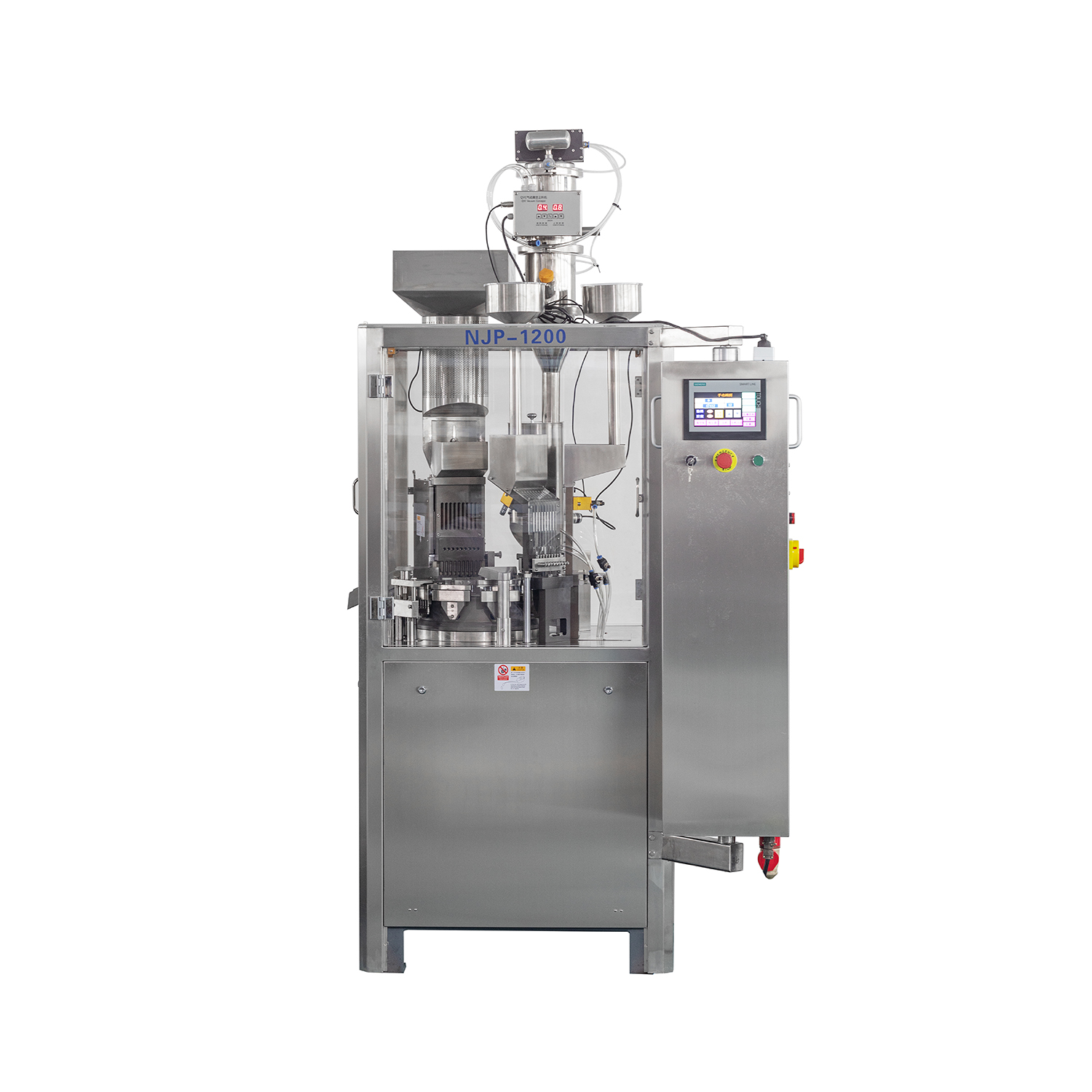
Nachdem ich 20 Jahre Fehlersuche und Optimierung von Kapselfüllsystemen, Ich habe gelernt, dass diese Probleme selten durch einen einzigen Faktor verursacht werden. Sie sind eine Wechselwirkung zwischen der Dynamik des Pulvers, der Dosierstruktur und der mechanischen Präzision. Lassen Sie uns die Automatische Kapselmaschine der Serie NJP (z.B. NJP-800, NJP-1200 von HIJ Machinery) als Fallstudie, um diese Prinzipien aus der Sicht eines Ingenieurs zu diskutieren.
Technische Perspektive - Verstehen der Grundursachen
1. Pulververhalten vs. Füllgenauigkeit
Feine pharmazeutische Pulver haben oft geringe Fließfähigkeit und hohe statische Adhäsion. Wenn die Pulverschicht auf dem Dosiertablett zu dünn ist, schwankt das Kapselgewicht.
Bei früheren Modellen waren die Löcher der Dosierscheibe klein und die Pulververdichtung ungleichmäßig. NJP's verbesserte Dosierscheibengeometrie optimiert die Partikelbewegung - durch mikropolierte Oberflächen (Ra < 0,02 µm) und kontrollierte Fülltiefe behält jedes Loch eine gleichmäßige Pulverdichte.
In der Praxis erforderte der Wechsel von einer Standard-NJP-800 (max. Geschwindigkeit 48.000 Verschlüsse/Stunde) zu einer NJP-1200 (max. 72.000 Verschlüsse/Stunde) eine Anpassung der Laufradgeschwindigkeit und der Vakuumsollwerte, um eine “Unterfüllung” zu verhindern. Diese Anpassung verbesserte die Gleichmäßigkeit der Charge um 19% in der internen Prüfung.
2. Staubkontrolle und Luftstrombilanz
Das Auslaufen von Pulver ist eine der Hauptursachen für Ausfallzeiten. Sie beeinträchtigen nicht nur die GMP-Sauberkeit, sondern auch die Zuverlässigkeit der Sensoren.
Bei älteren Maschinen konzentrierte sich der Abluftstrom des Vakuumsystems in der Nähe des Kapselkopfes. Die NJP-Serie verwendet ein verteilte Vakuumarchitektur, die den Unterdruck in den Ansaug- und Auslassbereichen ausgleichen.
Durch diese Konstruktion wird die interne Druckdifferenz während des Betriebs unter 3 Pa gehalten, was den Staubanteil in der Luft deutlich reduziert. Infolgedessen verlängern sich die Filterwechselintervalle um etwa 40%, basierend auf unseren Daten, die wir in drei verschiedenen GMP-Workshops gesammelt haben.
3. Form- und Antriebsstabilität
Kapselausrichtungsformen erfordern Maßgenauigkeit bei kontinuierlicher Drehbelastung.
Die Formen der Serie NJP sind geschliffen auf CNC-Werkzeugen mit hoher Steifigkeit mit einer Positionierungstoleranz von ±0,005 mm, die eine gleichmäßige Drehung auch bei hohen Geschwindigkeiten ermöglicht.
Kombiniert mit einer servogeregelter Hauptantrieb, bleibt die Schwingungsamplitude an der Revolverachse bei dynamischen Messungen unter 0,02 mm - weit weniger als bei herkömmlichen mechanischen Getriebesystemen. Dies verbessert die Lebensdauer der Maschine und die CAPA-Konformität für Kunden, die 24-Stunden-Chargen produzieren.
Technische Lösungen - Anwendung der Logik der NJP-Serie
Die NJP-Serie ist nicht für jedes Pulver perfekt, aber bei richtiger Einstellung bietet sie eine bemerkenswerte Prozessstabilität. Hier sind die empfohlenen Schritte, die ich in Kundenworkshops anwende:
- Pulverkonditionierung: Trocknen Sie die Pulver auf <3% Feuchtigkeit; das Sieben auf einen einheitlichen Partikelbereich (120-200 Mesh) verhindert Ungleichmäßigkeiten bei der Verdichtung.
- Vakuum-Kalibrierung: Halten Sie das Ansaugvakuum bei Pulvern mit geringer Fließfähigkeit zwischen -0,025 und -0,03 MPa; passen Sie es entsprechend den Staubmessungen an.
- Optimierung des Antriebs: Passen Sie die Arbeitsgeschwindigkeit an die Schüttdichte des Materials an und nicht an die theoretische Höchstgeschwindigkeit.
- Routinemäßige Schimmelpilzprüfung: Die wöchentliche Laserkalibrierung sorgt für eine gleichmäßige Befüllung und reduziert den mechanischen Verschleiß.
- Datenaufzeichnung: Integration von Maschinen-SPS-Signalen in MES für die Live-Batch-Steuerung.
In einem Fall eines Auftragsherstellers konnte durch die Einstellung der Laufraddrehzahl von 24 → 21 und die Angleichung des Vakuumniveaus die Kapselabweisungsrate von 3,2% auf unter 1%, die über einen Zeitraum von sechs Monaten im Dauerbetrieb aufrechterhalten werden.
Praktische Ratschläge für einen kontinuierlichen Betrieb
- Für hochdosierte Formulierungen, Verwenden Sie kleinere Scheibenlochdurchmesser und eine doppelte Vakuumkontrolle, um das Abdriften des Pulvers zu kontrollieren.
- Eine regelmäßige Reinigung der Vakuumleitungen alle 50 Stunden verhindert Verstopfungen durch hygroskopische Pulver.
- Wenn Sie die Kapselgröße wechseln (z. B. #0 → #2), kalibrieren Sie die Fülltiefe neu, indem Sie den Servo-Offset der NJP-Software verwenden und nicht die manuelle Kupplungseinstellung, um Diskrepanzen zu verringern.
Bei diesen Praktiken handelt es sich nicht um Herstellergeheimnisse, sondern um mechanische Standardlogik, die jeder erfahrene Ingenieur zum Schutz der Produktionsstabilität anwenden sollte.
Schlussfolgerung
Die Stabilität bei der Kapselabfüllung wird nicht allein durch komplexe Elektronik erreicht. Es ist ein Gleichgewicht zwischen Pulvereigenschaften, Dosiergenauigkeit und Antriebsdynamik.
Die Kapselfüllmaschinen der Serie NJP stellen eine mechanische Weiterentwicklung dar, die von dieser technischen Logik angetrieben wird. Bei richtiger Abstimmung erreichen sie einen stabilen Betrieb, geringere Pulververluste und ein gleichbleibendes Kapselgewicht, wodurch sie sich gut eignen für pharmazeutische Fabriken und Auftragsfertigungslinien die einen zuverlässigen Durchsatz unter GMP-Bedingungen erfordern.
Wenn Sie die Einstellung oder Auswahl der Maschine auf der Grundlage Ihrer Rezeptur- und Geschwindigkeitsanforderungen besprechen möchten, können Sie uns gerne kontaktieren:
📧 sales@trustarmac.com