














Введение
За 20 лет работы инженером по упаковочному оборудованию я видел, как рынок пакетов превратился из нишевого варианта в глобальный стандарт. Гибкие пакеты - от кофейных зерен и протеинового порошка до соусов и фармацевтических препаратов - предлагают удобство, отличные возможности для брендирования и сокращение расходов на доставку. Но у этого бума есть и обратная сторона: наводнение рынка машинами, которые выглядят одинаково на бумаге, но в реальности работают совершенно по-разному. Это руководство написано с точки зрения инженера, чтобы помочь вам заглянуть “под капот”, избежать типичных подводных камней и инвестировать в машину, которая станет производственным активом, а не постоянной головной болью.
Реальность современных упаковочных операций
Тенденции рынка: Давление продолжается
Спрос на пакетированную продукцию растет, но и проблемы тоже. Стоимость рабочей силы растет во всем мире, что заставляет фабрики стремиться к более высокому уровню автоматизации. Потребители ожидают идеальных, неизменно наполненных упаковок каждый раз. А для международных компаний акцент смещается с покупки самой дешевой машины на инвестиции в долгосрочную стабильность и надежную послепродажную поддержку. Никогда еще не было такого давления, чтобы производить больше, быстрее и с меньшим количеством ошибок.
Распространенные болевые точки, с которыми я сталкиваюсь ежедневно
Посещая заводы, я снова и снова слышу одно и то же недовольство. Это не просто мелкие неудобства, это проблемы, которые напрямую влияют на рентабельность.
- “Скорость никогда не соответствует брошюре”: Машина, рассчитанная на 60 мешков в минуту (BPM), с трудом справляется с 40, не застревая и не создавая плохих уплотнений.
- “Наше уплотнение - это кошмар”: Непостоянный нагрев или давление приводят к слабым уплотнениям, которые протекают во время транспортировки, что приводит к жалобам клиентов и возврату продукции.
- “Смена фильмов занимает целую вечность”: Простая замена валика превращается в 30-минутное испытание, связанное с повторной намоткой и выравниванием, что снижает общую эффективность оборудования (OEE).
- “Уборка - это так сложно”: Плохо спроектированные машины имеют труднодоступные места, где скапливается продукт, что создает риски для гигиены (очень важно в пищевой/фармацевтической промышленности) и приводит к перекрестному загрязнению.
- “Пневматика ненадежна”: Колебания давления воздуха вызывают неравномерное движение цилиндра, что приводит к изменению давления уплотнения и точности резки.
Самая распространенная (и дорогостоящая) ошибка
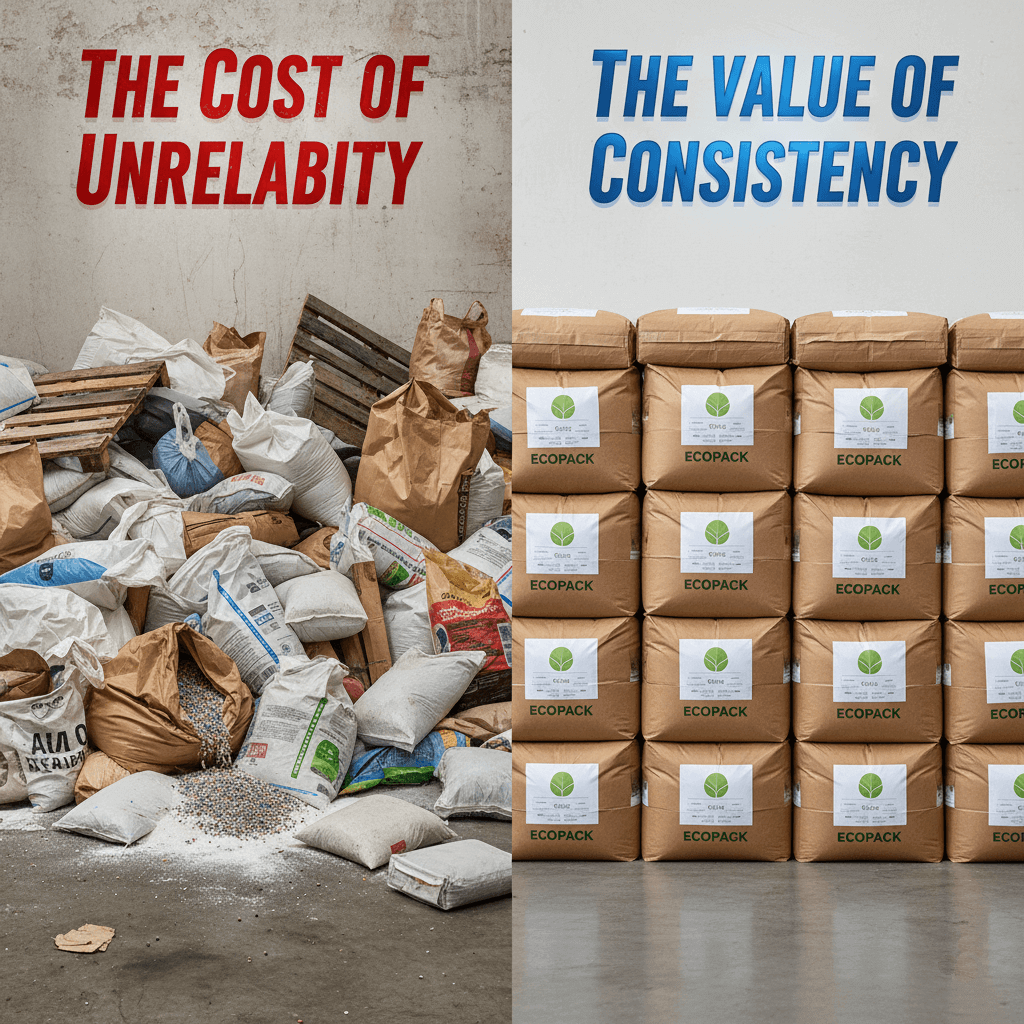
Самая большая ошибка, которую я вижу. при покупке, основываясь только на цене и списке характеристик. Покупатель видит две машины с одинаковой “заявленной” скоростью и диапазоном размеров пакетов и выбирает ту, что на 20% дешевле. Спустя полгода появляются скрытые расходы: большие отходы пленки, постоянные простои для регулировки и необходимость в специальном операторе, который будет присматривать за машиной. В итоге “более дешевая” машина в долгосрочной перспективе обходится гораздо дороже.
Почему вы должны решить эти проблемы
Ненадежная упаковка - это узкое место, которое тормозит всю производственную линию. Она ограничивает ваш рост, наносит ущерб репутации вашего бренда и приводит к разочарованию персонала. Надежная упаковочная машина - это не центр затрат, а средство увеличения прибыли.
Технический анализ инженера
Общие технологии: Пневматика против сервопривода
В основе большинства машин с вертикальной формой и уплотнением (VFFS) лежат две основные философии управления движением:
- Полностью пневматический: Традиционный подход. Простой, дешевый и понятный. Цилиндры, приводимые в действие сжатым воздухом, выполняют такие действия, как уплотнение и резка. Однако они чувствительны к колебаниям давления воздуха, обычно работают медленнее и обеспечивают меньшую точность.
- Сервопривод: Современный, высокопроизводительный подход. Электрические серводвигатели управляют такими ключевыми движениями, как протяжка пленки и запечатывание губок. Они невероятно точны, повторяемы и быстры. Сервоприводное протягивание пленки обеспечивает точную длину каждого пакета. Герметизирующая челюсть с сервоприводом обеспечивает точное и стабильное давление, не зависящее от колебаний подачи воздуха.
Технические характеристики Действительно Ударное производство
Не просто читайте цифры, а понимайте, что они означают.
- Скорость (BPM): Это всегда ассортимент. Она в значительной степени зависит от вашего продукта (порошки пылят, жидкости могут разбрызгиваться), длины мешка и материала пленки. Машина с сервоприводом протяжки пленки будет достигать максимальной скорости более стабильно и надежно, чем механический или пневматический аналог.
- Система заправки: Наполнитель“ (например, шнек для порошков, насос для жидкостей) так же важен, как и упаковщик. Противокапельная насадка - это не роскошь для жидкостей и паст; она необходима, чтобы предотвратить попадание продукта в зону запечатывания, что является основной причиной протекания пакетов.
- Рама и материалы: Обратите внимание на тяжелую, прочную раму (она снижает вибрацию на высоких скоростях) и высококачественную нержавеющую сталь (SUS304 для большинства продуктов питания, SUS316 для агрессивных продуктов или фармацевтики).
Как оценить машину профессионального класса
Когда я осматриваю машину, я не обращаю внимания на маркетинг и ищу эти признаки качественного проектирования:
- Бренды компонентов: Проверьте марки ПЛК, сенсорного экрана и серводвигателей. Использование всемирно признанных брендов, таких как Siemens, Schneider или Panasonic, означает надежность и легкий доступ к замене.
- Проводка и пневматическая трасса: Откройте шкаф управления. Аккуратно ли разложены провода в каналах с четкими этикетками? Или это “крысиное гнездо”? Чистая проводка - признак дисциплинированной инженерной команды и значительно облегчает поиск неисправностей.
- Качество и отделка сварных швов: Осмотрите сварные швы на раме. Они гладкие, сплошные и отполированные? Или они грубые и незаконченные? Качественная отделка - это не только внешний вид; она устраняет щели, в которых могут размножаться бактерии.
Применение и ограничения
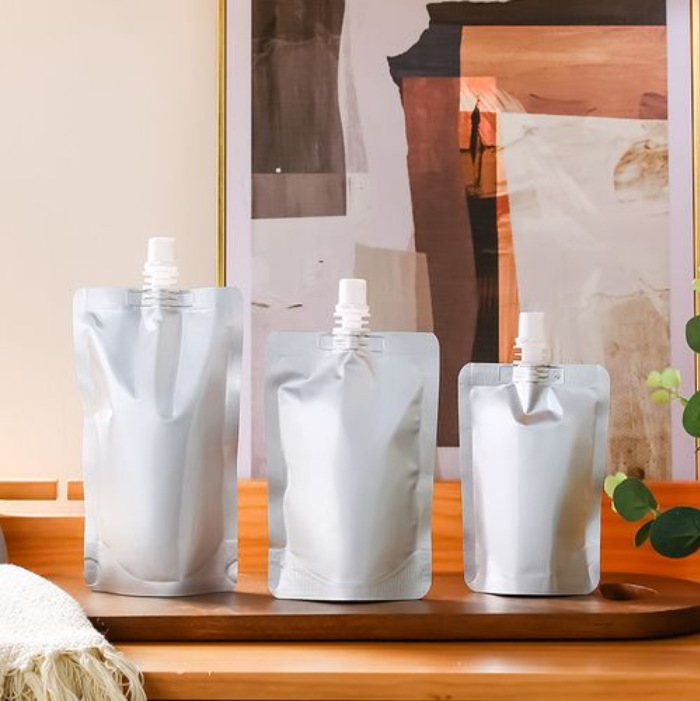
Эти машины - рабочие лошадки для пищевая, фармацевтическая, химическая промышленность и производство добавок. Они отлично справляются с созданием стандартных пакетов-подушек или пакетов с ластовицей из рулона пленки. Однако они не подходят для всех случаев. Если вам нужны готовые пакеты (например, стоячие пакеты на молнии), вам нужна машина другого типа (ротационная машина для готовых пакетов).
Реальные применения и истории успеха
Кейс: Узкое место в работе обжарщика кофе
Клиент, работающий на рынке специализированного кофе, использовал старую машину с механическим приводом. Они боролись с непостоянным весом наполнителя, а пленка часто застревала, что приводило к остановке линии. После перехода на машину с сервошнековым наполнителем и сервоприводом транспортировки пленки они убедились в этом:
- Фактическое увеличение объема производства: От среднего значения 25 BPM до стабильных 55 BPM.
- Уменьшение стоимости продукта: Точность заполнения повысилась с ±3 г до ±0,5 г, что позволило сэкономить тысячи долларов на перевесе мешков в месяц.
- Сокращение времени простоя: Автоматическое выравнивание пленки и более щадящая траектория движения пленки сократили время переналадки и устранения замятий на 75%.
Отраслевые требования
- Фармацевтические препараты: Конструкция, соответствующая требованиям GMP, контактные детали из SUS316 и разборка без инструментов для простой и надежной очистки.
- Продукты питания (например, соусы, порошки): Требуется надежное наполнение против капель, отверстия для удаления пыли из порошков и прочные герметичные уплотнения для сохранения свежести.
- Оздоровительные добавки: Точное дозирование имеет первостепенное значение. Сервошнековый наполнитель - обязательное условие для обеспечения правильного количества активного ингредиента в каждом пакетике.
Преимущество серии HMK: Создано для реальности
Наша философия проектирования основана на решении реальных проблем, которые я описал. Мы создаем машины для непрерывного, стабильного производства, а не просто для того, чтобы победить в таблице технических характеристик.
Представляем HMK-1600, HMK-2000 и HMK-2600
Эти модели представляют собой масштабируемое решение для упаковки VFFS, построенное на основе передового инженерного опыта.
Основные функции, которые устраняют ваши болевые точки
- Стабильность и скорость (обещание “без сюрпризов”): В нашей серии HMK используются системы с полным сервоприводом для протяжки пленки и горизонтального запечатывания. Поэтому мы можем с уверенностью гарантировать стабильную высокоскоростную работу. Движение контролируется точным электронным сигналом, а не колебаниями давления воздуха. Это напрямую решает проблему “скорость не соответствует брошюре”.
- Универсальность пленки (не “придирчивость” к пленке): Мы разработали траекторию транспортировки пленки и встроили высококачественные ПИД-регуляторы температуры. Это сочетание позволяет нашим машинам работать с более широким диапазоном материалов и толщины пленки, уменьшая досадные заторы, характерные для менее продвинутых машин.
- Модернизированные противокапельные форсунки: Для клиентов, работающих с жидкостями и пастами, наши специально разработанные запорные форсунки оснащены функцией “обратного всасывания”, которая чисто перекрывает поток продукта, обеспечивая чистую зону уплотнения и исключая отходы продукта.
- Безопасность и эффективность работы оператора: Все наши машины поставляются в стандартной комплектации полностью блокируемые защитные двери. Если дверь открывается, машина останавливается, защищая вашу команду. Кроме того, такие функции, как смена формера без инструментов и автоматическое отслеживание пленки, предназначены для уменьшают зависимость от высококвалифицированных операторов и экономят ценное рабочее время.
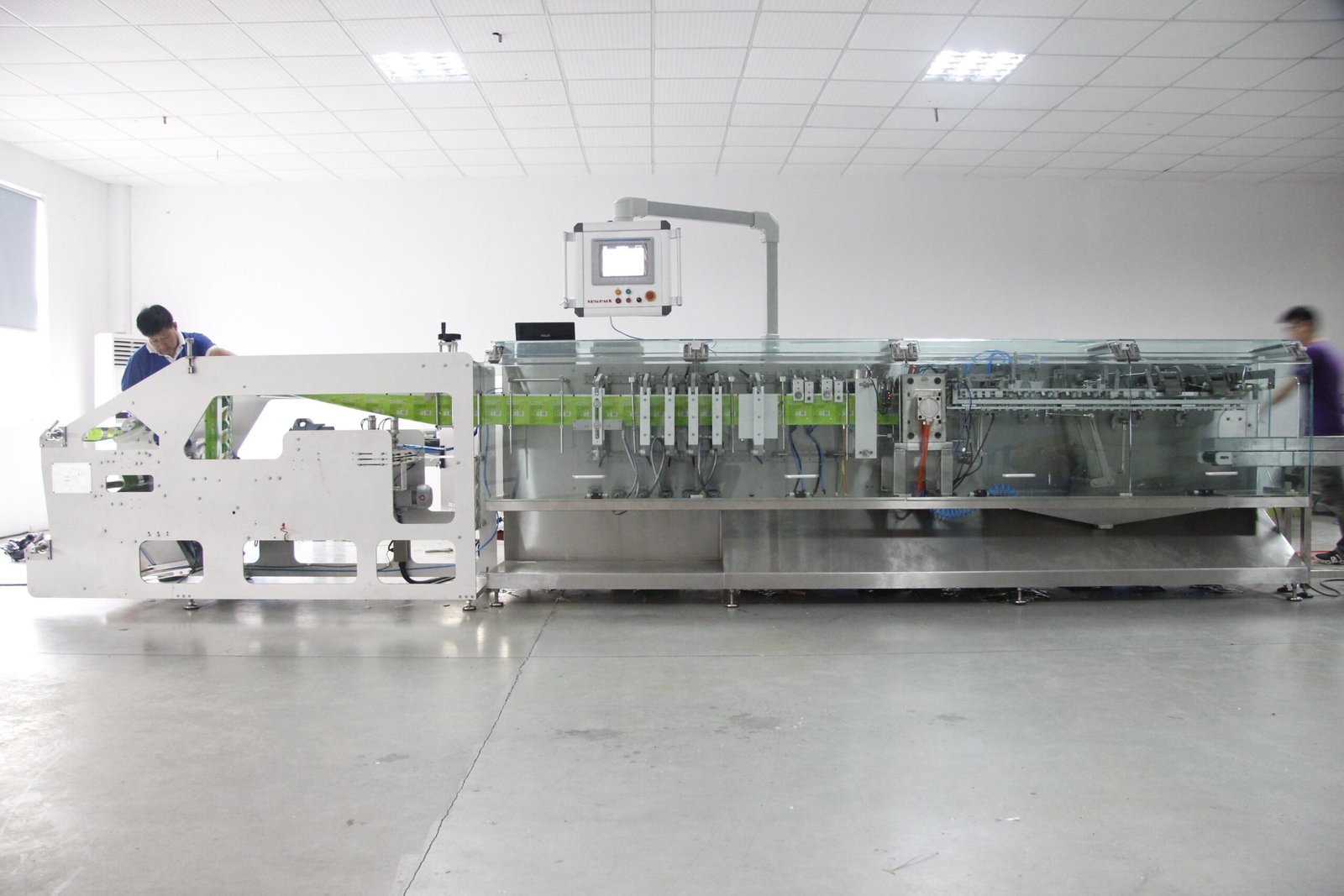
Наше преимущество перед конкурентами
Многие конкуренты в нашем ценовом диапазоне используют серводвигатели для протяжки пленки, но сокращают расходы за счет использования пневматического цилиндра для критически важной функции горизонтального уплотнения. Это создает узкое место в производительности. В серии HMK используются уплотнительные губки с сервоприводом Обеспечивает превосходный контроль над давлением и временем, что приводит к более стабильным, высококачественным уплотнениям на больших скоростях - ощутимая разница, которую вы увидите в готовой продукции.
Услуги OEM/ODM: Ваш инженерный партнер
Мы не просто производитель, мы - инженерная компания. Мы предлагаем полный комплекс услуг OEM/ODM для интеграции наших машин в вашу уникальную производственную линию или разработки индивидуальных решений для сложных продуктов.
Часто задаваемые вопросы (FAQ)
Вопрос 1: Ваша машина рассчитана на 80 BPM. Могу ли я действительно работать на такой скорости? A: Да, при правильных условиях. 80 BPM достижимо при небольшой длине мешка, свободно текущем продукте и качественной пленке. Когда вы свяжетесь с нами, мы предоставим вам реалистичный оценка скорости на основе ваш конкретный продукт и размер пакета, а не общий максимум.
Q2: Будет ли ваша машина работать с моими текущими пакетами и пленкой? A: Скорее всего, да. Формирователь“ на машине - это то, что формирует мешок, и мы изготавливаем эту деталь на заказ по точным размерам вашего мешка. Мы рекомендуем прислать нам рулон вашей пленки для тестирования, чтобы гарантировать идеальную совместимость.
Вопрос 3: Разница в цене между вашей сервомоделью и пневматической моделью конкурента значительна. Стоит ли оно того? A: Это вопрос окупаемости инвестиций. Сервомашина может стоить дороже, но она обеспечивает более высокую стабильную скорость, меньшее количество отходов продукта/пленки и требует меньшего вмешательства оператора. Мы можем помочь вам рассчитать срок окупаемости. Для многих клиентов увеличение производительности и сокращение отходов означает, что машина окупает разницу в цене менее чем за 12 месяцев.
Q4: Как узнать, что машина долговечна? A: Все сводится к трем вещам: сверхпрочная рама для минимизации вибраций, использование высококачественной нержавеющей стали (SUS304/316) и поставка критической электроники и пневматики от всемирно известных брендов. Мы предлагаем вам сравнить качество сборки между собой.
Заключение и рекомендации
Когда следует инвестировать в машины серии HMK?
- Ваша текущая упаковочная линия - это узкое место, мешающее вам удовлетворить спрос на продукцию.
- Вы сталкиваетесь с неприемлемым уровнем возврата продукции из-за низкого качества печати.
- Рост стоимости рабочей силы или нехватка операторов сказываются на вашем производстве.
- Вы запускаете новый продукт и хотите с первого дня обеспечить профессиональный и надежный процесс упаковки.
Выбор правильной модели
- Для начинающих и более низкой громкости (до 40-50 BPM): Сайт HMK-1600 Это начальный уровень профессионального класса с ключевыми характеристиками надежности.
- Для устоявшегося производства (до 60-70 BPM): Сайт HMK-2000 Это наша самая популярная модель, предлагающая идеальный баланс высокой скорости, универсальности и стоимости.
- Для крупномасштабных, высокоскоростных линий (70+ BPM): Сайт HMK-2600 это наш высокопроизводительный флагман, разработанный для максимальной производительности и автоматизации.
Позвольте нам помочь вам сделать выбор: Данные, которые нам нужны
Сделать правильный выбор может быть непросто, но мы можем дать точную, основанную на данных рекомендацию. Прежде чем связаться с нами, пожалуйста, подготовьте следующую информацию. Это позволит нашим инженерам дать вам наиболее точный и полезный совет.
- Ваш продукт: Это порошок, гранулы, жидкость или паста? Какова его плотность или вязкость?
- Ваша сумка: Тип сумки (подушка, ластовица), размеры (ширина и длина). Идеально подойдет фотография или образец.
- Ваш фильм: Тип материала (например, PET/PE, OPP/CPP) и толщина (в микронах).
- Скорость цели: Сколько мешков в минуту вам нужно производить?
- Вес/объем наполнителя: Сколько продукта помещается в каждый пакет, и какова требуемая точность (например, ±1 г)?
- Заводские утилиты: Каково электропитание вашего завода (напряжение/фаза/частота) и есть ли у вас стабильная подача сжатого воздуха?