
















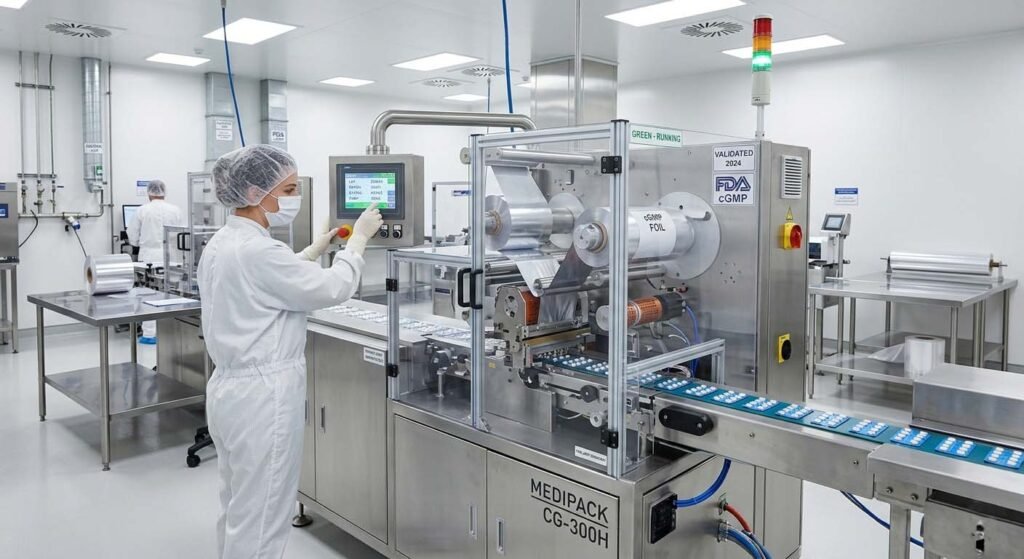
En FDA cGMP blister machine guarantees more than mechanical speed; it mandates precise physical segregation of drive components from sterile zones (balcony design), uses strictly documented SUS316L stainless steel for all contact parts, and integrates a highly secure control system that complies with 21 CFR Part 11 for electronic signatures and audit trails. Selecting FDA compliant packaging equipment bridges the critical gap between raw production throughput and rigorous regulatory data integrity, ensuring your line passes international audits seamlessly.
“Over my 20 years in the pharmaceutical packaging industry, I’ve seen countless companies stumble not over a machine’s mechanical speed, but over the invisible hurdle of FDA cGMP compliance.
Many buyers don’t realize that purchasing the blister packaging equipment is only 50% of the job; the other 50% is validation, strict documentation, and data integrity (like 21 CFR Part 11). A cheap machine becomes incredibly expensive if it fails your FDA audit. At HIJ, we engineered our blister lines to bridge this exact gap—combining European-level design standards with smart pricing, while providing the bulletproof IQ/OQ/PQ documentation you need.
My ultimate advice? Never treat cGMP compliance as an afterthought. Choose an equipment partner who doesn’t just deliver a machine, but delivers the absolute certainty of audit success.”
— Forester, Founder of HIJ Machinery
Índice
1. Hardware & Structural Segregation: The Balcony Design
The foundation of any 21 CFR pharmaceutical packaging operation begins with mechanical isolation. FDA auditors look specifically for cross-contamination risks and cleanability. Legacy equipment often houses mechanical drive systems (motors, cams, lubrication lines) directly beneath the product feeding zones. Under stringent cGMP guidelines, this is a severe compliance risk.
Modern FDA compliant packaging equipment utilizes a cantilevered (or balcony) structural design. This architecture completely isolates the mechanical transmission components in a separate rear cabinet, ensuring the front operation zone remains completely accessible, visible, and free from particulate traps. Furthermore, all surfaces must be slanted to prevent dust accumulation, and material-contact parts must utilize certified SUS316L stainless steel.
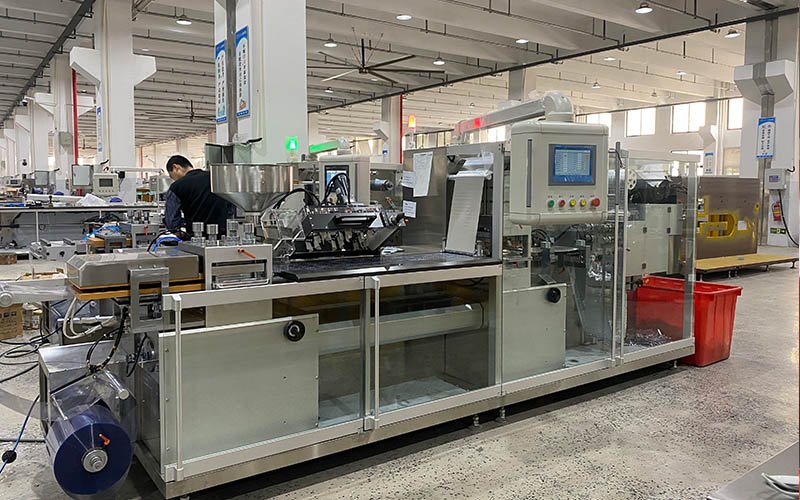
By engineering our DPP-260 Automatic Blister Packing Machine with a full balcony layout and rapid tool-free changeover components, operators can perform thorough line clearances and swab tests without navigating dangerous blind spots.
2. Software & Data Integrity: 21 CFR Part 11
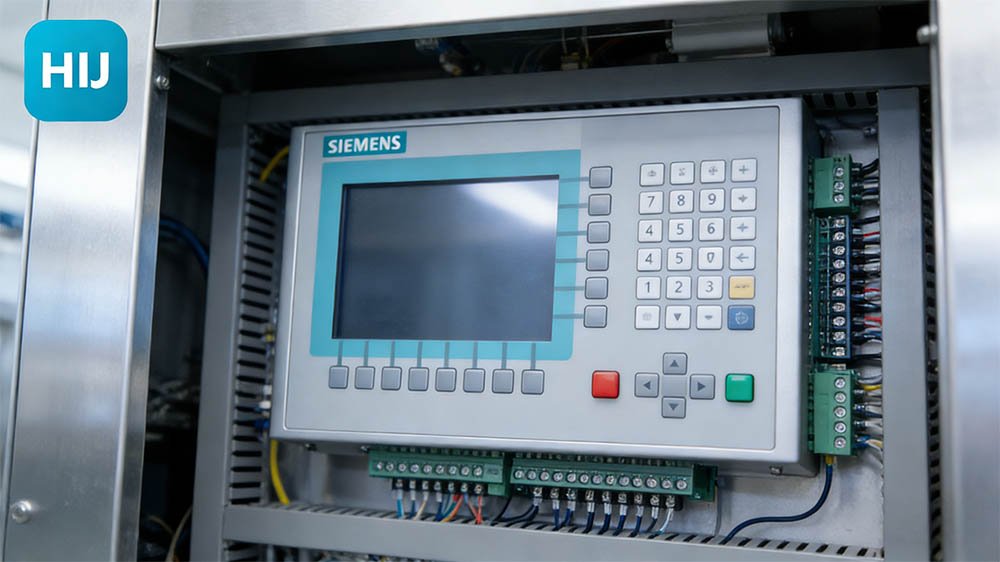
Mechanical compliance is visible; data compliance is not. Title 21 of the Code of Federal Regulations (21 CFR Part 11) dictates how the FDA views electronic records and electronic signatures. A machine’s HMI and PLC must prevent unauthorized parameter alterations that could compromise dosage or sealing integrity.
When selecting 21 CFR pharmaceutical packaging machinery, the control architecture must feature:
- Role-Based Access Control (RBAC): Distinct permission levels for Operators, Maintenance, Supervisors, and Administrators.
- Unalterable Audit Trails: A secure, time-stamped background log recording who logged in, what parameter was changed (e.g., sealing temperature raised from 140°C to 142°C), and the exact time of the modification.
- Electronic Signatures: Required verifications for critical batch reports or alarm overrides.
3. The Validation Trinity: IQ, OQ, and PQ
Without documented proof, the FDA considers compliance non-existent. Supplying FDA compliant packaging equipment requires delivering a comprehensive lifecycle documentation package. The supplier must facilitate the FAT (Factory Acceptance Test) and SAT (Site Acceptance Test) leading directly into the execution of validation protocols.
- Installation Qualification (IQ): Verifies every wire, sensor, and SUS316L material certificate matches the approved functional design specifications (FDS).
- Operational Qualification (OQ): Stress-tests the machine’s limits, ensuring alarms trigger correctly when parameters (like forming pressure or sealing heat) drop out of acceptable ranges.
- Performance Qualification (PQ): Validates that the blister packer maintains consistent seal integrity and zero-defect output under continuous, real-world production speeds.
We provide exhaustive documentation binders with our Blister Packing Machines, saving our clients hundreds of engineering hours during the facility validation phase.
4. Factory-Floor Case Study: Salvaging an Audit Failure
“Based on HIJ Machinery’s 2025 compliance retrofits, we encountered a US-based contract manufacturer who received a Form 483 observation during an FDA inspection. The citation focused on their primary packaging line: operators were sharing a generic login, and temperature alarms were being bypassed without any digital record.
They approached HIJ to replace the failing system. We installed a DPP-260 configured specifically for 21 CFR Part 11 compliance. We integrated an advanced Siemens control architecture that forced individual RFID logins and locked the sealing temperature delta to a ±2°C window. Any deviation triggered an auto-reject mechanism and securely logged the event in the unalterable audit trail. Following the installation and our guided IQ/OQ execution, the manufacturer passed their subsequent re-inspection with zero observations regarding primary packaging data integrity.”
— HIJ Engineering Team Internal Review

5. Standard vs. FDA cGMP Specification Matrix
To highlight the structural and systematic differences, review the critical parameters separating conventional equipment from true FDA cGMP compliant packaging lines:
| Compliance Parameter | Standard Packaging Machine | HIJ FDA cGMP Blister Machine |
|---|---|---|
| Structural Design | Enclosed cabinet; mechanics mixed with feeding zones. | Balcony (Cantilever) design; total physical segregation. |
| Contact Materials | SUS304 or generic stainless steel. | Certified SUS316L with traceable material certificates. |
| Surface Architecture | Flat surfaces prone to dust settling. | Slanted structural faces to eliminate particulate traps. |
| Data Security | Generic password; parameters can be overwritten. | 21 CFR Part 11 compliant; RBAC, Electronic Signatures. |
| Audit Trails | Limited alarm history (often erased on power cycle). | Permanent, unalterable time-stamped digital audit logs. |
| Validation Support | Basic operation manual provided. | Complete IQ/OQ/PQ protocols, FDS, and SAT support. |
Secure Your Production Compliance Today
Do not compromise your regulatory standing with sub-standard equipment. Explore our Turnkey Solutions to ensure seamless FDA alignment from primary blistering to secondary cartoning.
Preguntas frecuentes
What does 21 CFR Part 11 mean for a blister packaging machine?
It means the machine’s control software must have strict security measures for electronic records. Operators must use unique logins, and any changes to critical machine parameters (like sealing temperature or speed) must be permanently recorded in an unalterable audit trail that an FDA inspector can review.
Why is a balcony design necessary for cGMP compliance?
A balcony (cantilevered) design physically separates the drive mechanics (motors, gears) at the back of the machine from the product and film handling areas at the front. This eliminates the risk of grease, metal dust, or mechanical debris contaminating the pharmaceutical product during the packaging process.
Can HIJ Machinery assist with the IQ/OQ validation process?
Yes. Supplying the machine is only part of our service. We provide comprehensive FAT documentation and detailed, pre-written IQ (Installation Qualification) and OQ (Operational Qualification) protocols. Our field engineers can also be deployed to assist your quality team in executing these validation steps on-site.