















Je ne suis pas un spécialiste du marketing.
Je ne suis pas un "dropshipper".
Je suis un ingénieur qui a passé plus de 20 ans de conception, de construction, d'essai et de réparation de machines d'emballage pour les usines du monde entier.
Après avoir installé des centaines de machines - machines d'emballage horizontales, machines d'emballage de sachets, lignes d'emballage à grande vitesse - j'ai remarqué une chose surprenante :
La plupart des acheteurs échouent non pas en raison de leur budget, mais parce qu'ils se fient à de mauvais signaux.
Permettez-moi d'expliquer ce qui compte vraiment - d'après ce que j'ai vu échouer sur des sites de production réels.
Insight #1 : La vitesse n'est pas la cause des temps d'arrêt - c'est l'instabilité qui l'est
La plupart des demandes de renseignements commencent par :
“Combien de sacs la machine peut-elle produire par minute ?”
Voici la vérité tirée de l'expérience :
J'ai vu Les machines 100 PPM s'arrêtent deux fois par semaine,
et Les machines à 40 PPM fonctionnent pendant 3 ans sans défaillance.
Des exemples d'installations réelles :
- Les machines à châssis mince vibrent à grande vitesse
- Les vibrations entraînent une dérive de l'étanchéité
- Les dérives d'étanchéité provoquent des fuites
- Les fuites entraînent le rejet du produit
- Le rejet arrête la ligne
La vitesse en elle-même n'est pas l'ennemi. C'est le mauvais équilibre mécanique qui l'est.
C'est pourquoi nous sur-ingénierons le châssis et le système d'asservissement, même sur les machines d'emballage à vitesse moyenne.
Une ligne stable à 80 PPM vaut mieux qu'une machine théorique à 120 PPM qui s'arrête à chaque poste de travail.
Insight #2 : “Même spécification” ne signifie pas "même machine".
De nombreux acheteurs m'envoient deux devis et me posent la question :
“Les paramètres sont identiques. Pourquoi votre prix est-il plus élevé ?”
Parce que les fiches techniques ne montrent pas ce que je vois à l'intérieur de la machine.
Voici ce que j'ai constaté à plusieurs reprises en réparant du matériel “bon marché” :
- moteurs sous-dimensionnés fonctionnant à une charge de 90%
- surchauffe des automates sans marque
- mâchoires de scellement avec une pression irrégulière
- suivi de film imprécis à grande vitesse
Toutes ces questions n'apparaissent jamais dans la fiche technique - mais ils apparaissent dans les 3 à 6 mois suivant l'opération.
C'est pourquoi je dis toujours aux acheteurs :
Les spécifications expliquent ce qu'est une machine peut faire.
L'ingénierie explique ce qu'elle peut faire depuis des années.
Aperçu #3 : La compatibilité des films est le tueur silencieux des projets d'emballage
C'est la raison #1 pour laquelle j'ai vu de nouvelles machines sous-performantes.
J'ai personnellement testé : - films laminés en aluminium
- films mono-matériaux recyclables
- sacs à dos à fermeture éclair
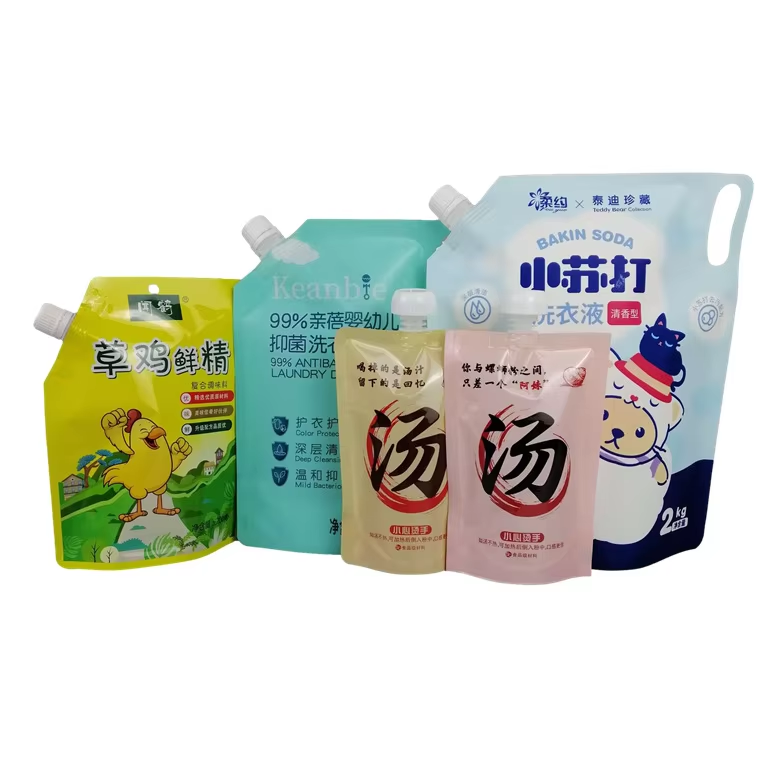
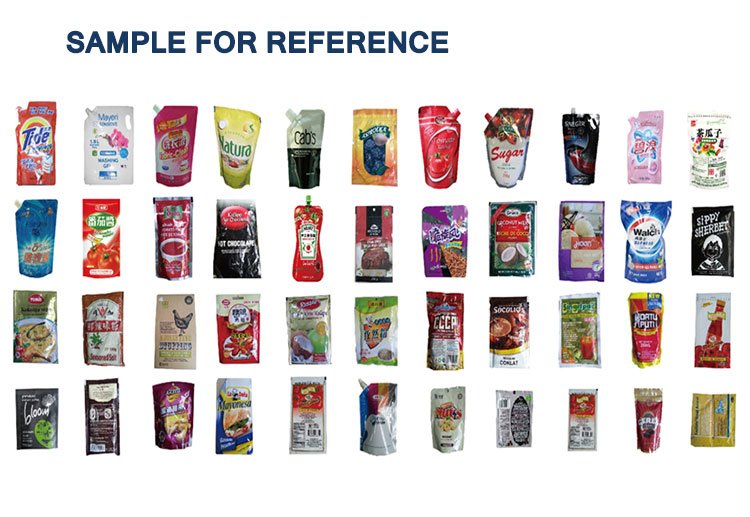
- pochettes à bec
Et je peux vous le dire :
La même machine d'emballage se comporte de manière totalement différente selon le film utilisé.
Des preuves que nous exigeons toujours :
- le client envoie de vraies bobines de film
- nous testons la fenêtre de température d'étanchéité
- nous testons la tension du film à la vitesse maximale
- nous testons la résistance du joint après refroidissement
Si un fournisseur ne demande pas d'échantillons de films avant la production, Ils sont en train de deviner.
Et les devinettes tuent le retour sur investissement.
Aperçu #4 : Le coût réel n'est pas celui de la machine, mais celui des six premiers mois
Je calcule toujours les coûts de cette manière :
- prix de la machine (unique)
- coûts de main-d'œuvre économisés (chaque mois)
- pertes de temps d'arrêt (chaque arrêt)
- remplissage excessif des déchets (chaque sac)
L'expérience : Une machine d'emballage automatique bien conçue s'amortit généralement en un an. 4-8 mois.
Une mauvaise construction ? Il fuit silencieusement les bénéfices chaque jour.
C'est pourquoi les acheteurs professionnels posent des questions sur : - les marques des composants
- disponibilité des pièces de rechange
- temps de réponse de l'assistance à distance
Pas seulement le “prix”.
À qui s'adresse ce type de machine d'emballage ?
D'après ce que j'ai vu, l'automatisation fonctionne le mieux pour :
✅ les usines passent de l'échelle manuelle à l'échelle automatique
✅ marques reconditionnées pour l'exportation
✅ les producteurs dont les coûts de main-d'œuvre augmentent
✅ les entreprises qui ont besoin d'une présentation cohérente de leurs rayons
Si vous vous trouvez dans cette situation, le choix de la bonne machine change tout.
Mon dernier conseil en tant que fabricant
Si vous ne retenez qu'une seule chose de cet article, retenez ceci :
Une machine d'emballage n'est pas un produit.
Il s'agit d'une décision de production à long terme.
Demandez aux fournisseurs : - ce qui échoue en premier
- le film qu'ils ont testé
- comment ils soutiennent les installations à l'étranger
Les réponses révèlent tout.
Si vous le souhaitez, envoyez-moi : - votre produit
- votre type de sac
- votre vitesse cible
Je vous dirai honnêtement si l'automatisation a du sens - même si ce n'est pas notre machine.