

















GMP-naleving voor blisterverpakkingen van capsules is geen selectievakje, maar een technisch systeem waarbij machineontwerp, gegevensintegriteit en auditklare documentatie als één geheel moeten werken binnen de WHO TRS, cGMP en 21 CFR Part 11 kaders.
Als uw blisterverpakkingsmachine is geleverd zonder eigen elektronische batchrecords en gevalideerde PLC-protocollen, dan hebt u al een probleem. Deze gids behandelt elke nalevingslaag: WHO TRS 992, 21 CFR Part 11, EU GMP Annex 1 en de IQ/OQ/PQ-documentatieketen die regelgevers daadwerkelijk inspecteren. Lees voordat u een machine selecteert hoe de juiste capsule blisterverpakkingsmachine te kiezen om uw URS vanaf de eerste dag aan deze vereisten te verankeren.

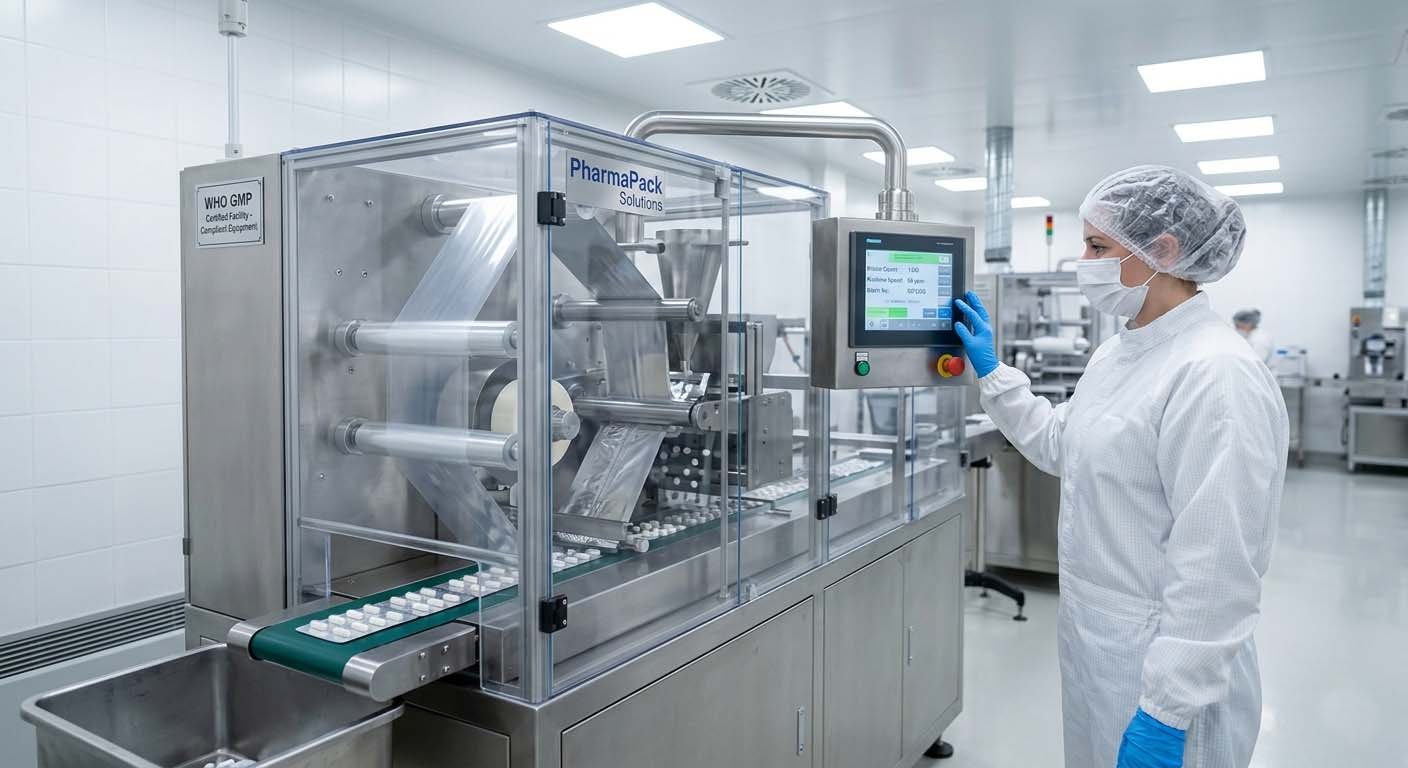
Een gecertificeerde cleanroomoperator die een GMP-conforme verpakkingslijn voor blisterverpakkingen van capsules runt. Het controlespoor begint hier - bij de machine-interface, niet bij de QA-afdeling.
Wat vereist GMP-naleving eigenlijk van een Capsule Blister Verpakkingsmachine?
Machines voor het verpakken van capsules in blisterverpakkingen die voldoen aan de GMP-richtlijnen moeten beschikken over gevalideerde PLC-besturingen met gelaagde gebruikerstoegang, elektronische batchrecords die voldoen aan de ALCOA+-gegevensintegriteitsnormen van 21 CFR Part 11 en volledige IQ/OQ/PQ-documentatie die kan worden getraceerd naar een URS - waarbij WHO TRS 992 Annex 3 en EU GMP Annex 1 (2022) de basis vormen voor het ontwerp en de omgeving.
Toen ik drie weken bezig was met een inbedrijfstellingsproject in Dhaka, overhandigde de QA-directeur me een afwijkingsrapport. De blisterlijn draaide al zes maanden. Niemand had gebruikerstoegangsniveaus op de HMI geconfigureerd. Iedere operator logde in met dezelfde gegevens. Het elektronische batchrecord had geen individuele toewijzing. Het controlespoor was waardeloos.
Dat is een overtreding van 21 CFR Part 11 - met name Sectie 11.10(d), die voorschrijft dat de toegang tot het systeem beperkt moet zijn tot bevoegde personen. Het was geen softwareprobleem. Het was een inkoopprobleem: de machine was geselecteerd op prijs en vormsnelheid, niet op de architectuur van de gegevensintegriteit.
GMP-naleving voor blisterverpakkingen voor capsules bevindt zich op het kruispunt van vier verschillende regelgevende kaders. Geen daarvan is optioneel als u levert aan gereguleerde markten.
Toepasselijke regelgeving - Capsule Blisterverpakkingsmachines
- WHO TRS 992 Bijlage 3
- 21 CFR Deel 211
- 21 CFR Deel 11
- EU GMP Bijlage 1 (2022)
- EU GMP Bijlage 15
- ICH Q10
- ASTM F2338
- USP
- ISO 13849-1
WHO TRS 992 Annex 3 behandelt Good Manufacturing Practices voor farmaceutische producten, waaronder apparatuurkwalificatie, reinigingsvalidatie en omgevingscontroles. 21 CFR Part 211 is de FDA's Current Good Manufacturing Practice regelgeving voor farmaceutische eindproducten - het regelt rechtstreeks het ontwerp, de constructie en het onderhoud van apparatuur. 21 CFR Part 11 regelt elektronische records en handtekeningen. EU GMP Annex 1 (de revisie van 2022) introduceert eisen voor de strategie voor contaminatiebeheersing die rechtstreeks van invloed zijn op het machineontwerp - met name oppervlakteafwerking, deeltjesvorming en reinigbaarheid. EU GMP Annex 15 gaat over kwalificatie en validatie.
De machine moet ontworpen zijn om aan al deze eisen tegelijk te voldoen. Een blisterverpakker die voldoet aan de WHO TRS maar wordt geleverd met een PLC die niet-toewijsbare records genereert, zal niet slagen voor een FDA-inspectie. Punt uit.
21 CFR Deel 11 Gegevensintegriteit: Waar leveranciers van blaarmachines tekortschieten
Naleving van 21 CFR Part 11 op een blisterverpakkingsmachine voor capsules vereist native elektronische batchrecords met individuele gebruikerstoewijzing, tijdstempelcontrolepaden die niet kunnen worden gewist en configureerbare gebruikerstoegangsrollen - mogelijkheden die in de PLC/HMI tijdens de productie moeten worden ingebouwd, niet achteraf via software van derden.
FDA handhavingsgegevens voor 2019-2023 tonen gegevensintegriteit als hoofdoorzaak in 38% van de waarschuwingsbrieven aan farmaceutische fabrikanten - de grootste nalevingscategorie en een die is gestegen sinds de 2016 FDA Data Integrity Guidance. Verpakkingsapparatuur maakt een steeds groter deel uit van deze citaten. De reden: blisterverpakkers genereren continu productierecords en als het HMI-controlespoor kan worden bewerkt, gewist of toegewezen aan een gedeelde login, is elke batchrecord die op die machine is geproduceerd verdacht.
Sectie 11.10 van 21 CFR Part 11 bevat de vereisten. De eisen die het meest worden overtreden bij blisterlijninspecties zijn:
11.10(c) - Computergegenereerde audit trails met tijdstempel. Het systeem moet registreren wie welke wijziging heeft doorgevoerd, wanneer en wat de oude waarde was. Machines met HMI's die de parametergeschiedenis overschrijven zonder de wijziging te registreren, voldoen automatisch niet aan deze vereiste.
11.10(d) - Toegangscontrole die de toegang tot het systeem beperkt tot bevoegde personen. Gedeelde aanmeldingen voor operators voldoen niet aan de voorschriften. De machine moet rolgebaseerde toegang ondersteunen met individuele referenties voor minimaal de niveaus operator, supervisor en onderhoud.
11.10(e) - Veilige, computergegenereerde audit trails die onafhankelijk zijn van de toegang door de operator. Als het inloggen op gebruikersniveau het controlespoor kan wissen of wijzigen, dan staat je een kritieke bevinding te wachten.
11.10(k) - Documentatie van training voor personen die elektronische dossiersystemen ontwikkelen, onderhouden of gebruiken. Trainingsgegevens voor het HMI-systeem moeten worden gekoppeld aan de specifieke softwareversie die op de machine is geïnstalleerd.
Het patchworkprobleem. Ik heb dit al tientallen keren zien gebeuren. Een fabriek koopt een blisterlijn die geen native audit trail functionaliteit heeft. De leverancier beveelt een SCADA overlay van een derde partij aan. De SCADA wordt na levering geïnstalleerd. Het validatieteam moet vervolgens twee systemen kwalificeren in plaats van één - de PLC en de SCADA - en het gegevenstraject tussen beide systemen documenteren om de end-to-end gegevensintegriteit aan te tonen. Deze kwalificatie voegt doorgaans vier tot zes maanden toe aan de validatietijdlijn en $30.000-$60.000 aan extra engineeringkosten. Ik heb het een volledig productlanceringsschema zien doen ontsporen.
Verkopers die “GMP-klare” blisterverpakkingsapparatuur verkopen zonder gevalideerde PLC-protocollen en ingebouwde toegangscontrole voor gebruikers, maken u rustig klaar voor een FDA 483 observatie - een die geen enkele SOP met terugwerkende kracht kan herstellen zonder de hele machine opnieuw te kwalificeren.
- Boswachter Xiang, HIJ-machines
Hoe ziet een machine die aan de eisen voldoet eruit op hardware- en softwareniveau? Siemens S7 of Allen-Bradley PLC met gevalideerde firmware, rolgebaseerde HMI-toegang (minimaal vier rollen: operator, kwaliteit, onderhoud, beheerder), fraudebestendige elektronische batchrecordgeneratie in PDF/A of gelijkwaardig en een parameterwijzigingslogboek dat voor/na-waarden vastlegt met tijdstempel en gebruikers-ID. Dit zijn geen optionele functies. Het zijn basisvereisten voor elke machine die naar een FDA, WHO of EMA-gereguleerde faciliteit gaat.
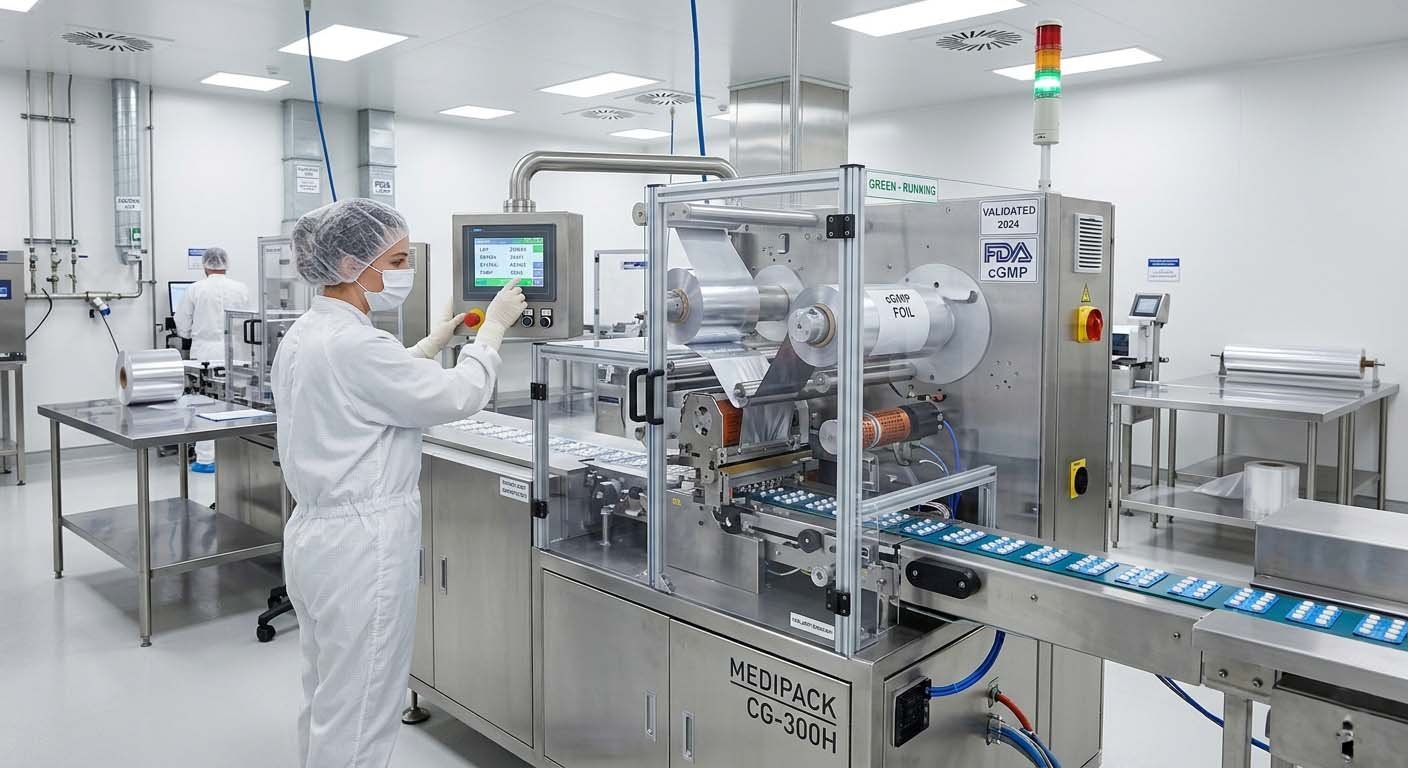
Een blisterverpakker die voldoet aan de cGMP-norm vereist een gevalideerde PLC met rolgebaseerde toegang en een native elektronische batchregistratie - geen achteraf toegevoegde SCADA-overlay.
WHO TRS 992 en EU GMP Bijlage 1 (2022): Wat deze normen vragen van uw blisterlijnhardware
WHO TRS 992 Annex 3 vereist dat blisterverpakkingsapparatuur gekwalificeerd is (IQ/OQ/PQ), gereinigd kan worden zonder risico op productkruisbesmetting en onderhouden wordt volgens een gedocumenteerd preventief onderhoudsprogramma. EU GMP Annex 1 (2022) voegt daar vereisten aan toe met betrekking tot de strategie voor contaminatiebeheersing, waaronder de afwerking van het oppervlak, het genereren van deeltjes en het testen van de integriteit van de verzegeling volgens USP .
Vorig jaar werd ik gebeld door een QA-directeur in São Paulo. Haar faciliteit had net een ANVISA-inspectiedeficiëntie ontvangen op grond van EU GMP Annex 1 (2022) - in het bijzonder de eis voor een gedocumenteerde Contamination Control Strategy (CCS) die de verpakkingslijn omvat. De tekortkoming ging niet over de cleanroom. Het ging om de blistermachine zelf: geen gedocumenteerde specificaties voor de oppervlakteruwheid van onderdelen die in contact komen met het product, geen beoordeling van de deeltjesgeneratie voor het pons-en-die-systeem en geen formeel testprotocol voor de integriteit van de verzegeling.
Dit zijn de tanden van de herziening van 2022. De bijgewerkte Bijlage 1 stelt expliciet dat een CCS betrekking moet hebben op elk apparaat in de productie- en verpakkingsketen, met gedocumenteerd bewijs dat de ontwerpkenmerken het contaminatierisico minimaliseren. Voor een blisterverpakker van capsules betekent dit:
316L roestvrij staal voor alle oppervlakken die in contact komen met het product - met een Ra-oppervlakteruwheid ≤ 0,8 μm gedocumenteerd in de DQ en bevestigd in de IQ. Gietijzeren of ongecoate zachtstalen bekistingsplaten zijn niet acceptabel voor GMP farmaceutische lijnen, ongeacht de prijs.
Kwalificatie deeltjesgeneratie - vooral van het vormstation. Thermisch vervormen van PVC genereert microdeeltjes; koudgevormde Alu-Alu systemen genereren deeltjes van het aluminium laminaat. Beide moeten worden beoordeeld en gecontroleerd.
Testprotocol voor integriteit van afdichting - De testmethode die ik gebruik is ASTM F2338 kleurstof-ingress bij 60 mbar, die overeenkomt met de USP specificaties voor het testen van de integriteit van containersluitingen. Deze moet worden uitgevoerd tijdens OQ en periodiek tijdens routineproductie.
Validatie reinigbaarheid - WHO TRS 992 Sectie 15 vereist gedocumenteerde reinigingsprocedures en validatie dat het reinigingsproces productresten verwijdert onder de gedefinieerde limieten. Voor blisterverpakkingslijnen voor capsules omvat dit de capsule-invoertrechter, het borstelinvoermechanisme en de oppervlakken van de vormholte.
WHO TRS 992 voegt de kwalificatie van apparatuur toe als een GMP-verplichting. Dit is de IQ/OQ/PQ-keten - en de taal van de WHO is niet dubbelzinnig: apparatuur moet worden gekwalificeerd voordat deze in de productie wordt gebruikt, opnieuw worden gekwalificeerd na significante wijzigingen en worden onderhouden op basis van een gedocumenteerd preventief onderhoudsprogramma met kalibratiegegevens die zijn gekoppeld aan het kwalificatiedossier.
GMP-nalevingseisen per regelgevend kader: Blisterverpakkingsmateriaal
| Vereiste naleving | WHO TRS 992 Bijlage 3 | 21 CFR Deel 211 / Deel 11 | EU GMP Bijlage 1 (2022) | HIJ DPP-260 Status |
|---|---|---|---|---|
| IQ / OQ / PQ-protocolpakket | VERPLICHT | VERPLICHT | VERPLICHT | Inheems - Inbegrepen |
| Elektronische batchrecords | VERPLICHT | VERPLICHT (deel 11) | VERPLICHT | Ingebouwd - PLC |
| Controlespoor (fraudebestendig) | VERPLICHT | VERPLICHT (§11.10c) | VERPLICHT | Geïntegreerd - Gecodeerd logboek |
| Rolgebaseerde gebruikerstoegangscontrole | AANBEVOLEN | VERPLICHT (§11.10d) | VERPLICHT | Rolsysteem met 4 niveaus |
| 316L SS product-contactoppervlakken | VERPLICHT | VEREIST (§211.65) | VERPLICHT (CCS) | Standaard |
| Protocol voor integriteitstest afdichting | VERPLICHT | VERPLICHT | VEREIST (USP ) | ASTM F2338-protocol |
| Preventief onderhoudsschema | VERPLICHT | VEREIST (§211.67) | VERPLICHT | Gedocumenteerd 52-wekenplan |
| Strategie voor beheersing van verontreiniging | DEEL | DEEL | EXPLICIETE VEREISTE | Bijlage 1 (2022) Afgestemd |
| FAT / SAT-documentatie | VERPLICHT | VERPLICHT | VERPLICHT | Volledig FAT/SAT-pakket |
Diagnostische compliancestoring - gegevensintegriteit en toegangscontrole
SYMPTOM: Controlespoor toont alle productievermeldingen onder een enkele “Admin”-aanmelding
⚠️ OORZAAK: gedeelde aanmeldingsgegevens voor HMI - geen individuele gebruikersaccounts geconfigureerd bij installatie; rolgebaseerde toegang nooit ingesteld
✅ CORRECTIVE ACTION: Individuele operatoraccounts onmiddellijk configureren; een CAPA genereren met analyse van de hoofdoorzaak; alle batchrecords die zijn geproduceerd onder gedeelde login opnieuw beoordelen op status van gegevensintegriteit - hiervoor kan een batchcontrole door QA nodig zijn en mogelijk kennisgeving aan de regelgevende instanties, afhankelijk van uw markt.
🔴 SYMPTOM: Audit trail-items kunnen worden gewist door aanmelding op onderhoudsniveau
⚠️ OORZAAK: Aan de onderhoudsrol zijn systeemrechten op beheerdersniveau toegekend; de hiërarchie van rechten in de PLC-firmware is niet geconfigureerd volgens 21 CFR Part 11 §11.10(e).
✅ CORRECTIVE ACTION: PLC-rolmachtigingen herconfigureren zodat het controlespoor alleen-lezen is voor alle rollen behalve een speciale QA-beheerder; de wijziging valideren via een gedocumenteerde controleprocedure voor softwarewijzigingen; de OQ opnieuw uitvoeren voor aangetaste systeemfuncties
SYMPTOM: De tijdstempels van elektronische batchrecords komen niet overeen met de tijden in het productielogboek.
⚠️ OORZAAK: PLC-systeemklok niet gesynchroniseerd met een NTP-server (Network Time Protocol); klokdrift tot 4-7 minuten waargenomen over productieperioden van 30 dagen.
✅ CORRECTIVE ACTION: Verbind de PLC met een NTP-tijdserver; documenteer de synchronisatieconfiguratie in het IQ-protocol; voeg verificatie van NTP-synchronisatie toe aan de periodieke kwalificatiechecklist voor apparatuur.
De FAT/SAT-documentatieketen: Wat u moet eisen voordat u de inkooporder ondertekent
Voordat een inkoper een machine voor het verpakken van capsules in blisterverpakkingen aanschaft voor een GMP-faciliteit, moet hij een FAT-protocol (Factory Acceptance Test) met door URS traceerbare testcases, een SAT-protocol (Site Acceptance Test), concept IQ/OQ/PQ-sjablonen gekoppeld aan het specifieke machinemodel en gedocumenteerd bewijs van PLC-firmwarevalidatie eisen - allemaal voordat de kooporder wordt getekend.
Ik zat in 2021 in een inkoopvergadering buiten Pune. De productiedirecteur had net een offerte ontvangen van drie Chinese leveranciers en twee Europese leveranciers. De Europese machines waren geprijsd tegen 2,8× het Chinese gemiddelde. Zijn argument om voor de goedkopere optie te kiezen: “We zullen de validatie intern afhandelen.”
Ik stelde één vraag: “Zijn er Chinese verkopers die een URS traceerbaar FAT-protocol bij hun offerte leveren?” Hij controleerde het. Geen enkele deed dat. Ze boden een “fabriekstest” met een video. Dat is geen FAT. Dat is een demonstratie.
Een goede fabrieksacceptatietest is een gedocumenteerd protocol waarin elk testgeval is terug te voeren op een specifieke vereiste in de URS. Als in uw URS staat dat de HMI minimaal vier gebruikersrollen moet ondersteunen, moet de FAT een testcase bevatten die dit verifieert, met goedkeurings- en afkeuringscriteria, de handtekening van de tester en de datum. Als de FAT is voltooid, ontvangt u een ondertekend FAT-rapport dat deel gaat uitmaken van uw validatiemasterplan.
Hier zie je hoe een volledige lijst met documenten voor de aankoop eruitziet:
Ontwerp voor URS-sjabloon - de leverancier moet een URS-beginpunt leveren dat is afgestemd op de mogelijkheden van hun machine. U past het aan; zij bevestigen de naleving. Dit dwingt tot expliciete documentatie van wat de machine wel en niet doet.
FAT-protocol met URS-traceerbaarheidsmatrix - elk FAT-testgeval moet overeenkomen met ten minste één URS-vereiste. Een FAT zonder traceerbaarheidsmatrix voldoet niet aan de EU GMP Annex 15 of WHO TRS 992 kwalificatievereisten.
Ontwerp IQ/OQ/PQ-sjablonen voor uw specifieke model - geen algemene sjablonen. De IQ moet verwijzen naar de werkelijke serienummerconfiguratie, de PLC-firmwareversie en de lijst met gekalibreerde instrumenten. Generieke sjablonen geven aan dat de leverancier nog nooit een van zijn eigen machines heeft gevalideerd in een gereguleerde faciliteit.
PLC-firmware validatiedocumentatie - de software waarop het besturingssysteem van uw machine draait, moet worden gedocumenteerd onder een formele softwarvalidatieprocedure volgens GAMP 5. Vraag naar de documentatie van de Software Development Life Cycle (SDLC) voor de huidige firmwareversie.
Kalibratiecertificaten voor in de fabriek gekalibreerde instrumenten - temperatuursensoren in het sealstation, drukmeters in het vormstation en camera's van vision systemen die gebruikt worden voor inspectie moeten geleverd worden met kalibratiecertificaten die herleidbaar zijn naar nationale normen.
Wijzigingsbeheerprocedure voor software-updates - vraag wat er gebeurt als de leverancier een firmware-update uitbrengt. Is er een gevalideerde wijzigingscontroleprocedure? Welke herkwalificatie is vereist? Als het antwoord is “installeer gewoon de update”, dan is dat geen GMP-conform antwoord.
De realiteit van de validatietijdlijn. Van de 31 blisterlijnprojecten die ik tussen 2018 en 2024 heb behandeld in Zuid-Azië en Zuidoost-Azië, voltooiden de projecten waarbij de FAT-documentatie compleet en URS-traceerbaar was vóór verzending de validatie gemiddeld 4,2 maanden sneller dan de projecten waarbij de validatiedocumenten na levering werden ontwikkeld. Dat is geen klein getal als je een productlanceringsdatum hebt.

De IQ/OQ/PQ-documentatieketen begint bij de URS - elke testcase in de FAT en daaropvolgende kwalificatieprotocollen moet terug te voeren zijn op een gedefinieerde vereiste. Voor een diepgaand inzicht in het validatieproces, zie onze gids voor IQ, OQ, PQ validatie voor capsuleblisterverpakkingsmachines.
Waarom de cGMP-vereisten voor een cleanroomomgeving uw blaarmachine harder raken dan u denkt
21 CFR Part 211.42 en EU GMP Annex 1 (2022) vereisen dat het verpakken van blisterverpakkingen met capsules plaatsvindt in een gecontroleerde omgeving - meestal ISO klasse 7 of beter - en dat het machineontwerp geen verontreinigingsbronnen introduceert: dit betekent afgedichte lagersystemen, niet-afstotende materialen, geen blootliggende smeerpunten die toegankelijk zijn voor het productpad en machineoppervlakken die gereinigd kunnen worden zonder demontage die de integriteit van de schone zone verbreekt.
Het getal waar teams het eerst naar kijken - vormsnelheid - is precies het verkeerde getal bij het evalueren van een blistermachine voor een cGMP cleanroom. Het juiste getal is de classificatie van de deeltjesgeneratie van de machine. De meeste leveranciers publiceren het niet. De meeste kopers vragen er niet naar. Dat hiaat is waar besmettingsafwijkingen vandaan komen.
21 CFR Deel 211.42(c) vereist dat de verpakkingsruimten voor geneesmiddelen de juiste grootte, constructie en locatie hebben om een adequate reiniging, onderhoud en werking te vergemakkelijken. De woorden “afdoende reiniging mogelijk maken” hebben specifieke technische implicaties voor een blisterverpakkingsmachine:
Afgedichte lagersamenstellingen - Open lagers vereisen externe smering die kan migreren naar zones die in contact komen met het product. FDA 483 opmerkingen over verontreiniging van blisterverpakkingen met smeermiddelen zijn niet zeldzaam. Afgedichte lagers met food-grade vetten zijn het GMP-conforme ontwerp.
Geen contactoppervlakken van koolstofarm staal of ruw aluminium - oppervlaktecorrosie deeltjes genereert. 316L roestvast staal met gedocumenteerde oppervlakteafwerking Ra ≤ 0,8 μm is de basis. Geanodiseerd aluminium is acceptabel in sommige configuraties, maar moet worden gevalideerd.
Verwijderbare vormmallen en toevoergeleiders zonder gereedschap - De vereisten van de EU GMP Annex 1 (2022) Contamination Control Strategy maken snelle omschakeling en clean-in-place toegankelijkheid een ontwerpverwachting, geen optionele eigenschap.
IP65 elektrische behuizingen voor bedieningspanelen - Sproeireiniging wordt gebruikt in ISO klasse 7 en 8 cleanrooms. Elektrische panelen met open ventilatiesleuven mogen niet aanwezig zijn in het productgebied tijdens reinigingscycli.
De vraag over de inrichting van de faciliteit. EU GMP Annex 1 (2022) Paragraaf 4.3 over de strategie voor contaminatiebeheersing stelt expliciet dat het ontwerp van de apparatuur het risico op contaminatie door personeel, apparatuur en omgeving moet minimaliseren. Voor een verpakkingslijn voor blisterverpakkingen van capsules vertaalt dit zich direct in een machineopstelling waarbij de capsule-invoer, de vormzone en het sealstation positief geïsoleerd zijn van de mechanische aandrijfcomponenten van de machine.
Ik zal u niet vertellen dat het ontwerpen van een cleanroomgeschikte blisterlijn eenvoudig is. Het gaat om de classificatie van de cleanroom, het ontwerp van het HVAC-drukverschil, het vloeroppervlak van de machine en het luchtstromingspatroon en het validatiebereik van de reiniging. Elk van deze parameters heeft invloed op de specificaties van de machine. Dit is precies waarom de URS moet worden geschreven voordat de machine wordt geselecteerd - niet erna.
Diagnostische storingsdiagnose voor naleving - Cleanroom- en apparatuurontwerp
SYMPTOM: Deeltjesaantallen in het verpakkingsgebied gecorreleerd aan de werking van de blistermachine
⚠️ OORZAAK: Open lagers of blootliggende aandrijfketting met onvoldoende afscherming die metaaldeeltjes genereert; waargenomen in 6 van de 31 Zuidoost-Aziatische projecten die ik tussen 2018 en 2024 heb onderzocht.
✅ CORRECTIVE ACTION: Vervang open lagers door afgedichte eenheden met food-grade-vet; installeer overdrukbeveiliging over onderdelen van aandrijfketting; herhaal het onderzoek naar het aantal deeltjes na aanpassing en documenteer dit in de CAPA voor wijzigingsbeheer.
SYMPTOM: Reinigingsvalidatie mislukt - residu gedetecteerd in vormholtes na standaard reinigingscyclus
⚠️ OORZAAK: Het ontwerp van de vormmatrijs bevat interne kanalen of ondersnijdingen die ontoegankelijk zijn voor reinigingsmiddelen zonder volledige demontage; Ra van het oppervlak is hoger dan 0,8 μm waardoor micro-putjes ontstaan die een risico vormen voor biofilm.
✅ CORRECTIVE ACTION: vervangende gietvormen met elektrolyt aanvragen bij leverancier; reinigingsprocedure herzien om demontage van aangetaste onderdelen te omvatten; reinigingsvalidatie drie opeenvolgende cycli opnieuw uitvoeren; reinigings-SOP bijwerken en operators omscholen
Integriteitstest van blisterverzegeling: De nalevingsvereiste waarvoor de meeste bedrijven zich niet kwalificeren
USP en EU GMP Annex 1 (2022) vereisen dat de integriteit van de blisterafdichting wordt geverifieerd met een gevalideerde testmethode - de huidige gouden standaard is ASTM F2338 vacuümbederf of binnendringen van kleurstof bij 60 mbar - met een testfrequentie die wordt vastgesteld tijdens de OQ en bevestigd door middel van PPQ-partijen, voor zowel standaard PVC/Alu als koudgevormde Alu-Alu configuraties.
Het stabiliteitsrapport landde in maart. Een klant in Casablanca had een dossier ingediend bij de AMIP met versnelde stabiliteitsgegevens voor 6 maanden voor een hygroscopische antibioticacapsule - harde gelatine, Zone IVb-condities. Het vochtgehalte op maand 6 was 3,1% boven de specificatie. Het duurde twee maanden om de hoofdoorzaak te vinden.
Het was niet de film. Het lag aan het sealstation. De temperatuur van de heatseal was in 90 dagen 8°C onder het gevalideerde bereik gezakt. Er was geen alarm afgegaan omdat de temperatuursensor niet was opgenomen in het periodieke kalibratieschema. De sealintegriteitstest - die wekelijks zou moeten worden uitgevoerd - werd in de praktijk maandelijks uitgevoerd en de gebruikte kleurstofinslagtestmethode was niet de gevalideerde methode; het was een snellere visuele inspectie die informeel door het QC-team was vervangen.
Drie storingen in één verhaal. Kalibratieafwijking. Afwijking testfrequentie. Niet goedgekeurde vervanging van de methode. Elk van deze fouten afzonderlijk zou de stabiliteitsfout niet hebben veroorzaakt. Samen deden ze dat wel.
De test voor de integriteit van de verzegeling die wij gebruiken - ASTM F2338 kleurstof-ingress bij 60 mbar - is wat USP specificeert voor het testen van de integriteit van de sluiting van een verpakking. Voor een blisterverpakking van een capsule betekent “integriteit van de sluiting van de verpakking” de hermetische afsluiting van de gevormde PVC of Alu-Alu holte en de hitte-gesealde aluminium afdekfolie. De test moet zijn:
Gevalideerd tijdens OQ - niet alleen beschreven in de SOP. Validatie moet aantonen dat de testmethode lekken detecteert van de gedefinieerde minimale grootte bij de gedefinieerde reactiedruk met gedocumenteerde gevoeligheid en specificiteit.
Uitvoeren met een frequentie die is vastgesteld op basis van risicobeoordeling - WHO TRS 992 en 21 CFR Part 211 schrijven beide voor dat de testfrequentie gebaseerd moet zijn op het risico. Voor hygroscopische API's in markten van Zone IV of IVb is wekelijks testen van de integriteit van de afdichting een verdedigbaar minimum; dagelijks is een betere praktijk voor continue productie.
Gekoppeld aan een kalibratie- en alarmparameter van het sealstation - De instelpunten voor de sealtemperatuur en -druk moeten gevalideerde werkbereiken hebben, gekalibreerde sensoren en actieve alarmen die afgaan als de parameters buiten het bereik komen. Dit is een eis voor de machinespecificatie, niet alleen een SOP-vereiste.
Hoe de HIJ DPP-260 is ontworpen voor GMP Capsule Blisterverpakkingen
De HIJ DPP-260 capsuleblisterverpakkingsmachine is gebouwd met native 21 CFR Part 11-naleving - inclusief een Siemens PLC met rolgebaseerde toegang op vier niveaus, gecodeerd tamper-evident controlespoor, elektronische batchrecordgeneratie en een volledig FAT/SAT/IQ/OQ/PQ-documentatiepakket - waardoor de geschillen over integratie met meerdere leveranciers, die de validatietijd met maanden verlengen, worden geëlimineerd.
Ik heb HIJ DPP-260 lijnen in gebruik genomen in Jakarta, Karachi en Nairobi. De conformiteitsarchitectuur is in alle drie de faciliteiten hetzelfde omdat we deze op machineniveau hebben ontworpen, niet op documentatieniveau. Dit is wat dat concreet betekent:
PLC-platform: Siemens S7-1200 met gevalideerde firmware (GAMP 5 Categorie 4 documentatie beschikbaar)
HMI-toegangscontrole: 4-tier rolsysteem - Operator / Kwaliteitsinspecteur / Onderhoud / QA beheerder - met individuele gebruikersnaam/wachtwoord verificatie en sessie time-out
Controlespoor: Gecodeerd, fraudebestendig logboek voor parameterwijzigingen met voor/na-waarden, tijdstempel (NTP gesynchroniseerd) en gebruikers-ID - alleen-lezen voor alle rollen behalve QA beheerder
Elektronisch batchrecord: Automatisch gegenereerde PDF/A bij batchafsluiting met volledige productieparameterhistorie
Verzegelstation: PID-gestuurde temperatuur (nauwkeurigheid ±1°C), drukbewaking en actieve alarmen buiten bereik met batch-stopfunctie
Oppervlakken die in contact komen met het product: 316L roestvrij staal, Ra ≤ 0,8 μm, gedocumenteerd in DQ-certificaat
Integriteit van afdichting: ASTM F2338 testprotocol inbegrepen in OQ-pakket
Documentatiepakket: URS-sjabloon, FAT-protocol met traceerbaarheidsmatrix, SAT-protocol, concept IQ/OQ/PQ-sjablonen - allemaal meegeleverd met de machine.
Het documentatiepakket is geen bijzaak. Ik ben begonnen met het standaard opnemen van concept IQ/OQ/PQ-sjablonen nadat ik had gezien hoe een klant in Lahore zeven maanden bezig was om deze sjablonen vanuit het niets op te stellen voor een machine van de concurrent - zeven maanden waarin de machine in hun magazijn stond. Dat gesprek veranderde de manier waarop we onze apparatuur verpakken.
Voor een gedetailleerde kijk op wat het validatieproces stap voor stap inhoudt, zie ons artikel over IQ, OQ, PQ validatie voor capsuleblisterverpakkingsmachines behandelt de volledige protocolstructuur, typische tijdlijnen en de documentatie die u in elke fase kunt verwachten.
En als je nog aan het definiëren bent in welke machinespecificatie jouw compliance-eisen zich vertalen, begin dan met onze gids voor het kiezen van de juiste capsuleblisterverpakkingsmachine voor uw farmaceutische lijn - wordt het URS-ontwikkelingsproces doorlopen en wordt uitgelegd hoe GMP-vereisten kunnen worden gekoppeld aan criteria voor machineselectie.
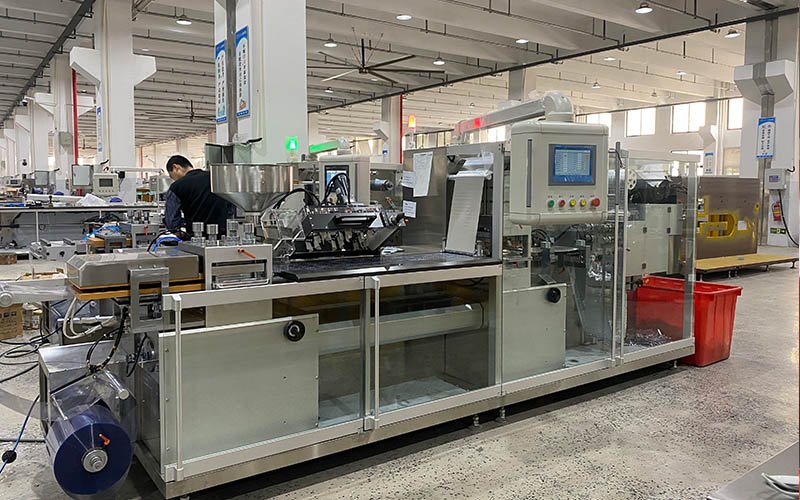
GMP-conform structureel ontwerp van de HIJ DPP-260: 316L roestvrijstalen productcontactoppervlakken, afgedichte lagers en elektrische behuizingen met IP65-classificatie - ontworpen voor gebruik in cleanrooms van ISO-klasse 7. Bekijk de volledige productspecificatie op onze verpakkingsmachine voor blisterverpakkingen van capsules productpagina.
Eis FAT-documentatie en een URS traceerbaar validatiepakket voordat u de inkooporder tekent - niet erna. Elke week documentatieontwikkeling na levering kost u een week productietijd. In 20 jaar heb ik nog nooit een achteraf ingebouwde conformiteitsarchitectuur zo goed zien presteren als een die vanaf het begin in de machine is ingebouwd.
- Boswachter Xiang, HIJ-machines
Veelgestelde vragen: GMP naleving voor Capsule Blister Verpakkingsmachines
❓ Moet een capsuleblisterverpakkingsmachine GMP-gecertificeerd zijn?
Blisterverpakkingsmachines zelf zijn niet GMP “gecertificeerd” - GMP-certificering is van toepassing op de productiefaciliteit en het kwaliteitssysteem daarvan, niet op afzonderlijke apparaten. De machine moet echter wel ontworpen en gedocumenteerd zijn om GMP-naleving mogelijk te maken: ze moet kwalificeerbaar zijn (IQ/OQ/PQ), gebouwd zijn van materialen die voldoen aan de specificaties van 21 CFR Part 211.65 en EU GMP Annex 1, en uitgerust zijn met de functies voor gegevensintegriteit die vereist zijn volgens 21 CFR Part 11 als er elektronische records worden gebruikt. Een machine die niet aan deze eisen voldoet, kan niet worden gebruikt in een gereguleerde farmaceutische faciliteit.
❓ Wat is 21 CFR Part 11 en waarom is het belangrijk voor blisterverpakkingsapparatuur?
21 CFR Part 11 is de FDA-regelgeving voor elektronische records en elektronische handtekeningen in de farmaceutische productie. Dit is van belang voor blisterverpakkingsmachines omdat deze machines elektronisch productieregistraties genereren - batchparameters, interventies door de operator, alarmlogboeken en sealgegevens. Als deze records elektronisch zijn en worden gebruikt om te voldoen aan de wettelijke vereisten, moeten ze voldoen aan Deel 11: manipulatieherkenbare controlesporen, individuele gebruikersauthenticatie en toegangscontroles die ongeoorloofde wijziging van records voorkomen. Machines zonder eigen Part 11 functies vereisen dure SCADA overlays en langere validatietijdlijnen om aan de eisen te voldoen.
❓ Wat vereist WHO TRS 992 specifiek voor blisterverpakkingsapparatuur?
WHO TRS 992 Annex 3 vereist dat farmaceutische verpakkingsapparatuur gekwalificeerd moet zijn voor gebruik (IQ/OQ/PQ), onderhouden moet worden volgens een gedocumenteerd preventief onderhouds- en kalibratieprogramma, gereinigd en gevalideerd moet worden volgens schriftelijke procedures en bediend moet worden door getraind personeel met gedocumenteerde competenties. Specifiek voor blisterverpakkingen omvat dit de kwalificatie van de parameters voor vormingstemperatuur en -druk, de kalibratie van het sealstation en het testen van de integriteit van de sluiting van de verpakking. De apparatuur mag de kwaliteit, veiligheid of identiteit van het product niet nadelig beïnvloeden - wat voor capsuleblisters betekent dat het binnendringen van vocht, verontreiniging door deeltjes en hermetische afsluiting moet worden gecontroleerd.
❓ Hoe lang duurt een IQ/OQ/PQ-validatie voor een capsuleblisterverpakkingsmachine?
Met volledige documentatie van de leverancier - URS-sjabloon, FAT-protocol met traceerbaarheidsmatrix en concept IQ/OQ/PQ-sjablonen - duurt de validatie doorgaans 3-5 maanden vanaf de installatie tot de voltooiing van de PQ. Zonder documentatie van de leverancier heb ik tijdlijnen gezien die opliepen tot 9-12 maanden. De langste vertraging is meestal de ontwikkeling van het IQ-protocol: het vanaf nul schrijven voor een complexe machine met meerdere gekalibreerde instrumenten en softwaresystemen kan alleen al 4-6 weken in beslag nemen. Onze gids over validatie capsule blisterverpakkingsmachine bevat de volledige uitsplitsing van de tijdlijn.
❓ Moet een blisterverpakking voor capsules voor de Amerikaanse markt voldoen aan 21 CFR Part 11?
Ja, als er elektronische dossiers worden gebruikt. 21 CFR Part 11 is van toepassing wanneer elektronische records worden aangemaakt, gewijzigd, onderhouden, gearchiveerd, opgehaald of verzonden volgens FDA-voorschriften. Voor een blisterverpakkingslijn voor capsules die eindproducten voor de Amerikaanse markt produceert, zijn de elektronische batchrecords en productielogboeken die door de HMI van de machine worden gegenereerd, onderhevig aan de vereisten van Deel 11.
Wat is de vereiste van de EU GMP Annex 1 (2022) Contamination Control Strategy voor verpakkingsapparatuur?
EU GMP Annex 1 (2022) Sectie 4.3 vereist dat fabrikanten een Contamination Control Strategy (CCS) bijhouden - een gedocumenteerde, risicogebaseerde benadering voor het identificeren en beheersen van contaminatierisico's in de gehele productie- en verpakkingsoperatie. Voor blisterverpakkingsapparatuur voor capsules moet deze CCS betrekking hebben op materialen en afwerking van machineoppervlakken, deeltjesvorming door mechanische onderdelen, reinigbaarheid van oppervlakken die in contact komen met het product, interactie tussen HVAC en machine en integriteit van afdichtingen als barrière tegen contaminatie. Met de herziening van 2022 is het CCS een expliciet verplicht document geworden in plaats van een impliciete vereiste - fabrieken die er geen hebben, zijn nu direct citeerbaar tijdens EMA-inspecties.
❓ Kan ik een niet-GMP blisterverpakkingsmachine gebruiken in een GMP-faciliteit als ik externe controles toevoeg?
Technisch mogelijk in sommige regelgevingscontexten, maar zeer riskant en duur in de praktijk. Externe SCADA-systemen kunnen een controletraject en toegangscontrolefunctionaliteit toevoegen, maar het valideren van de interface tussen de PLC van de machine en de SCADA voegt omvang, kosten en complexiteit toe. Belangrijker is dat tekortkomingen in de machinehardware - onvoldoende oppervlakteafwerking, niet-afgedichte lagers, ontoegankelijke reinigingszones - niet kunnen worden aangepakt door softwareoverlays. Ik heb twee fabrieken deze aanpak zien proberen. In beide gevallen werden de machines binnen 18 maanden na het opstarten vervangen omdat ze niet voldeden aan de kwalificatie-inspecties.
Wilt u een GMP-conforme Capsule Blisterlijn met volledige validatiedocumentatie?
De DPP-260 van HIJ Machinery wordt geleverd met native 21 CFR Part 11-conformiteit, een WHO TRS 992-ontwerp en een compleet FAT/SAT/IQ/OQ/PQ-documentatiepakket. Vertel ons uw doelmarkt en URS-vereisten - wij brengen de conformiteitsarchitectuur in kaart voordat u iets ondertekent.